What Is a Chimney Sweep? An Essential Chimney Sweep Guide to Why Your Home Needs One Annually
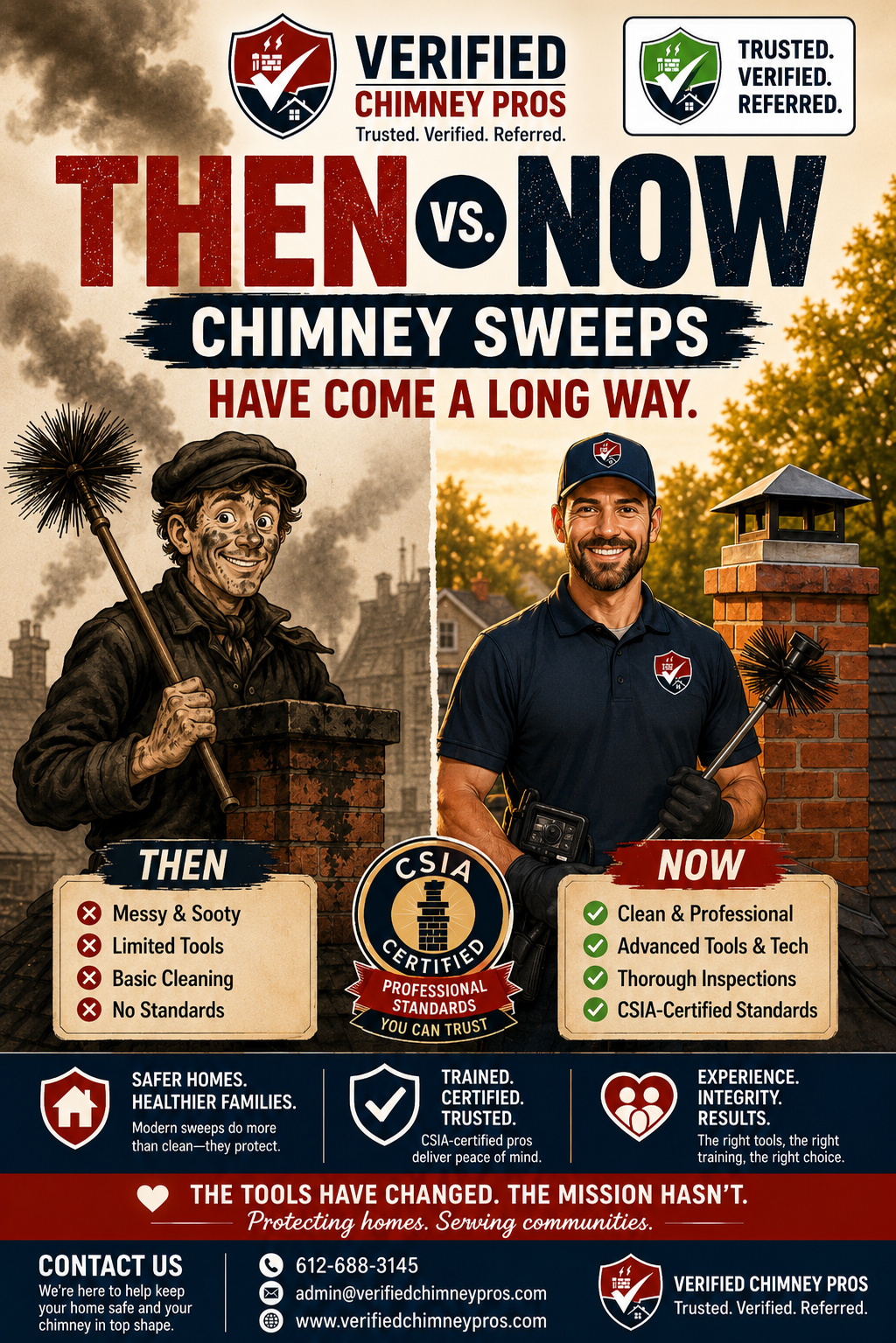
Reading a reliable chimney sweep guide is the single most important step you can take to keep your fireplace safe and efficient. When many homeowners hear the phrase “chimney sweep,” they immediately picture nineteenth-century characters from Mary Poppins holding top hats and wire brooms. Today, that old-school stereotype could not be further from the truth. As this chimney sweep guide reveals, a modern technician is a highly trained safety professional who uses advanced diagnostic cameras and industrial vacuum systems to protect your home from heating hazards.
Your fireplace and chimney operate as an active combustion system inside your living room. Every time you burn wood, intense heat, acidic vapor, and flammable creosote rush up your masonry flue. Over a long winter of burning, that creosote glaze coats the internal liner walls, while outdoor weather attacks the exterior brick mortar. Without the annual maintenance explained in this chimney sweep guide, hidden hazards compound silently until they cause a house fire or carbon monoxide leak.
According to residential fire statistics published by the National Fire Protection Association (NFPA), unmaintained chimneys and heating equipment remain the leading cause of home structure fires every winter. Understanding the lessons in this chimney sweep guide and scheduling annual service is the smartest way to protect your family and property.
This comprehensive chimney sweep guide reveals 7 powerful reasons why your home needs a cleaning every year. You will learn how modern methods prevent structural collapse, eliminate carbon monoxide leaks, and protect you from seasonal contractor scams through Verified Chimney Pros.
Why a Modern Chimney Sweep Guide Is Your Strongest Home Safety Shield
Following an authoritative chimney sweep guide gives you an immediate advantage when maintaining your home’s heating infrastructure. While most property owners focus on lawn care or gutter cleaning, the flue inside your brick chimney operates out of sight. As detailed in our chimney sweep guide, a qualified technician shines a light into that dark space, inspecting the internal clay tile liner, smoke chamber, and damper assembly for structural safety.
Modern chimney sweeping is a technical, no-mess procedure. A professional technician seals off your fireplace opening with protective drop cloths and connects a high-efficiency particulate air (HEPA) vacuum to the hearth. As rotating brushes scrub the flue walls, the vacuum captures 100% of the airborne dust and soot, leaving your living room immaculate.
Furthermore, reading a professional chimney sweep guide prepares you for your annual home safety consultation. Your technician will explain proper firewood seasoning, damper mechanics, and airflow efficiency, helping you burn warmer fires while consuming less wood all winter long.
The Hidden Fire Hazard: Why Ignoring This Chimney Sweep Guide Invites Disaster
The biggest problem homeowners face is treating fireplace maintenance as an optional luxury. When a chimney sits uncleaned for several years, layers of sticky creosote accumulate along the inner flue walls. Lighting an autumn fire without consulting a chimney sweep guide puts your property at immediate risk of experiencing an uncontrolled, high-temperature chimney fire.
Unverified handymen love to exploit homeowners who neglect annual maintenance. When cold weather hits and uncleaned chimneys begin to draft poorly, desperate property owners hire the first contractor available online. Unlicensed operators often use scare tactics, claiming the chimney is “condemned” to demand immediate cash payments for fake repairs.
Neglecting the advice in this chimney sweep guide also allows silent masonry decay to accelerate. Summer humidity mixes with leftover winter soot to create corrosive flue acids that eat through brick mortar. By the time you notice musty campfire odors spilling into your living room, the internal damage is already extensive.
Without following a regular chimney sweep guide, minor wear and tear escalates into $15,000 structural disasters. You need an organized, professional maintenance routine to keep your chimney safe, dry, and efficient year after year.
Related reading: 7 Warning Signs You’re About to Hire a Chimney Scam
Why Following a Certified Chimney Sweep Guide Protects Your Family and Home Equity
Applying the lessons in this chimney sweep guide matters because preventative maintenance is drastically cheaper than emergency reconstruction. Scrubbing creosote glaze out of a flue and sealing minor mortar cracks costs a few hundred dollars. Rebuilding a collapsed brick chimney after an unchecked house fire costs tens of thousands of dollars.
According to consumer safety research from the Consumer Product Safety Commission (CPSC), regular maintenance of residential heating equipment prevents carbon monoxide poisoning and property destruction. A certified chimney sweep guide ensures that toxic combustion gases exhaust safely outside your home instead of backing up into your bedroom.
Financial protection extends to your homeowner’s insurance policy. Many insurance providers deny claims for chimney damage if they discover the fire or collapse resulted from chronic maintenance neglect. Documented annual service following a recognized chimney sweep guide proves that you are a responsible property owner.
Finally, regular cleaning preserves your home’s resale value. When you sell your home, real estate appraisers look for proof of regular fireplace care. A completed service record from a professional who follows this chimney sweep guide shows buyers that your heating system is structurally sound and ready for winter.
Related reading: Chimney Maintenance Cost: 7 Devastating Ways Neglect Destroys Your Wallet
Our 7-Point Chimney Sweep Guide to Why Your Home Needs Annual Service
Why should you pick up the phone right now to book an appointment instead of waiting for a fireplace emergency? Explore this 7-point chimney sweep guide explaining why annual servicing protects your family and your wallet.
1. Remove 2,000-Degree Flammable Creosote Glaze Before Autumn Peak
The number one reason highlighted in any chimney sweep guide is removing flammable creosote glaze. Every time you burn wood, smoke condenses inside your cool flue, leaving behind a sticky tar residue along the tile walls.
Over a long winter of burning, creosote builds up in thick, hardened layers. If that glaze ignites during an autumn fire, it can burn at temperatures exceeding 2,000 degrees Fahrenheit, shattering clay tiles and spreading flames into your roof framing.
A professional technician uses specialized rotary brushes to scrub hardened creosote out of your flue. As our chimney sweep guide emphasizes, eliminating this combustible glaze removes the primary fuel source for devastating residential chimney fires.
2. Clear Dangerous Flue Blockages Caused by Birds and Nesting Wildlife
An uncleaned chimney is an inviting summer home for wildlife. Birds, raccoons, squirrels, and bats frequently build nests inside dark, unprotected flues while fireplaces sit dormant during warm weather.
Animal nests create severe physical blockages. If you light a fire without following this chimney sweep guide, those dry leaves and twigs can catch fire instantly or force toxic smoke back into your living room.
Your technician will check for nests and examine your spark arrester mesh during their annual visit. Clearing obstructions and installing a heavy-duty stainless steel cap keeps wildlife out of your chimney permanently.
Related reading: Your Annual Chimney Maintenance Checklist: 7 Essential Safety Steps
3. Uncover Silent, Lethal Carbon Monoxide Leaks Inside Clay Liners
Carbon monoxide is an odorless, colorless, and lethal gas produced by wood fireplaces, gas furnaces, and heating boilers. Ensuring that this gas exhausts out your chimney is a critical goal of our chimney sweep guide.
When clay flue tiles crack from freeze-thaw cycles or chimney fires, gaps open between the liner sections. Toxic carbon monoxide can escape through those cracks, migrating through porous brick walls directly into upstairs bedrooms.
A certified technician uses specialized diagnostic tools during their visit to check liner integrity. As noted in our chimney sweep guide, identifying and sealing flue fractures ensures that hazardous combustion gases leave your home safely.
Related reading: What Is a Chimney Liner and Do You Need One?
4. Identify Freeze-Thaw Masonry Spalling Before Bricks Start Falling
Brick masonry is naturally porous and absorbs rainwater during summer and autumn storms. Inspecting this masonry for early water decay is a vital structural step explained in our chimney sweep guide.
When wet bricks freeze during winter, trapped water expands by nine percent, blowing brick faces off and crumbling mortar joints—a destructive process known as spalling. Ignored spalling eventually causes chimney stacks to lean or collapse.
Your technician checks mortar depth during their evaluation. Catching minor mortar erosion early allows you to schedule affordable tuckpointing repairs instead of paying $15,000 for a total chimney rebuild.
Related reading: What Is Tuckpointing? 7 Critical Warning Signs Mortar Is Failing
5. Inspect Damper and Cap Seals to Stop Chilly Winter Air Drafts
Your fireplace damper is the metal valve that opens to let smoke out and closes to keep cold winter drafts from entering your living room. Testing its mechanics is a vital service highlighted in our chimney sweep guide.
Over years of use, soot and moisture cause metal damper blades to rust, warp, or jump off their tracks. A faulty damper allows warm indoor air to escape up the chimney all winter, causing heating bills to skyrocket.
A professional technician cleans the damper track, lubricates the assembly, and verifies a tight seal. If the damper is damaged, they can install a top-sealing damper that seals your flue airtight.
6. Meet Strict National Fire Protection Association Safety Codes
Annual fireplace maintenance is not just a suggestion; it is a recognized national safety standard. NFPA 211 codes mandate an annual inspection and sweeping by a qualified technician for all residential chimneys, fireplaces, and vents.
Adhering to this chimney sweep guide is essential for homeowners who use wood stoves, open hearths, or gas log inserts. Code compliance confirms that your heating system operates under proper clearance-to-combustible safety margins.
When you hire a certified professional, you ensure your home complies with national fire safety codes. This compliance protects your family from accidental heating fires and liability disputes.
7. Validate Fireplace Safety Documentation for Property Resale Value
If you plan to sell your home, refinance your mortgage, or modify your heating system, a standard visual check is insufficient. You need a Level 2 inspection documented by a certified technician following this chimney sweep guide.
During a Level 2 scan, your technician lowers a 360-degree digital camera down your flue to record internal tile conditions. This objective video evidence proves that your chimney meets national fire safety codes.
Having documented inspection reports on file protects your home’s equity. It reassures prospective home buyers and real estate appraisers that your fireplace is safe, preventing last-minute closing delays.
Related reading: Winter Chimney Damage: 7 Critical Signs Cold Weather Destroys Your Chimney
The Verified Chimney Pros Solution: A Scam-Free Chimney Sweep Guide Backed by Trust
Following a chimney sweep guide should bring you peace of mind, not stress over finding an honest contractor. Verified Chimney Pros simplifies your autumn maintenance by connecting you exclusively with pre-screened, insured professionals.
We built our vetting process to shield homeowners from deceptive call-center operators. Every technician who follows our chimney sweep guide must pass strict third-party screening before earning our official trust badge.
Our vetting team confirms active commercial general liability and workers’ compensation insurance. We validate technical certifications from organizations like the Chimney Safety Institute of America (CSIA), conduct criminal background screenings, and monitor real customer reviews.
When you use Verified Chimney Pros to hire a contractor, you hire with absolute confidence. You gain instant access to local specialists who provide itemized written estimates and live video camera proof of their work.
Related reading: Why Homeowners Choose a Verified Contractor Over Unverified Handymen
7 Compounding Financial and Safety Benefits of an Annual Cleaning
Investing in an annual visit from a professional who follows this chimney sweep guide delivers compounding benefits that protect your entire home:
1. Total fire prevention. Early creosote removal removes the primary fuel source for devastating 2,000-degree chimney structure fires.
2. Zero carbon monoxide leaks. Identifying flue cracks and blockages ensures toxic combustion gases exhaust safely outside your living space.
3. Waterproof structural integrity. Checking crowns, caps, and flashing stops autumn rain from rotting roof framing and destroying interior drywall.
4. Pest and animal exclusion. Verifying cap spark arresters keeps raccoons, squirrels, and birds from nesting in your venting system.
5. Massive financial savings. Catching minor mortar decay early prevents $15,000+ structural masonry rebuild bills after winter freezes.
6. Maximum heating efficiency. Clean flues and tight dampers improve airflow, burning firewood cleaner and lowering winter heating bills.
7. Total scam protection. Using our directory ensures you hire a certified professional who charges fair, itemized rates.
Every homeowner who follows this chimney sweep guide reports the same result: stress-free autumn prep, safe fireplace burning, and complete confidence in their home’s safety.
FAQ
1. Why do I need to read a chimney sweep guide before booking service?
Reading a chimney sweep guide helps you understand what a certified technician actually does during a cleaning, preventing contractor scams and ensuring your fireplace meets national safety codes.
2. How often does this chimney sweep guide recommend cleaning my flue?
The NFPA and our chimney sweep guide recommend an annual inspection and sweeping of all chimneys, fireplaces, and vents, even if you only use your fireplace a few times per year.
3. How much does a standard cleaning cost according to your chimney sweep guide?
A standard sweeping and visual inspection from a certified technician typically costs between $150 and $300, depending on your location and the condition of your flue.
4. How long does an appointment take when following a chimney sweep guide?
A qualified technician usually completes a standard residential chimney cleaning and visual safety inspection within forty-five minutes to an hour and a half.
5. What is the difference between a sweep and an inspector in a chimney sweep guide?
A certified technician is trained to perform both sweepings and safety inspections. They use specialized brushes to clear soot and diagnostic cameras to inspect internal flue conditions.
6. Will cleaning make a mess in my living room?
No. As explained in our chimney sweep guide, a modern technician uses heavy-duty hearth drop cloths and high-speed HEPA vacuum systems to capture 100% of airborne soot and dust.
7. What is the best month of the year to schedule service?
Late August through September is the best time to schedule, allowing you to beat the October rush and complete necessary repairs in warm weather.
8. Can I clean my chimney myself instead of following a chimney sweep guide?
While you can clean surface soot, DIY sweeping misses hidden flue cracks and structural hazards. A professional technician carries diagnostic tools that keep your home safe.
9. What should I do to prepare my home before the technician arrives?
Clear furniture three feet away from your hearth, remove fragile decorations from your mantel, and do not burn a fire for at least 24 hours before your technician arrives.
10. Does a gas fireplace require an annual visit according to a chimney sweep guide?
Yes. Gas fireplaces produce acidic condensation that degrades flue liners. An annual check verifies proper venting to prevent invisible carbon monoxide leaks.
11. How do I protect myself from chimney cleaning scams?
Always hire a technician who holds CSIA certifications, carries active commercial general liability insurance, and provides itemized written estimates verified by Verified Chimney Pros.
12. Can a cleaning help me fix musty campfire odors?
Yes. A musty odor indicates water has mixed with creosote inside your flue. A technician removes the smelly soot and inspects your cap to stop the moisture leak.
13. What happens if a technician finds damage during cleaning?
If damage is found, your technician will show you live camera proof and provide an itemized written estimate outlining exact repair costs before any work begins.
14. Why is general liability insurance critical when hiring a contractor?
If an uninsured technician falls off your roof or causes property damage, you could be held liable. Contractors on Verified Chimney Pros carry full commercial coverage.
15. Where can I find a verified, trustworthy technician near me?
Visit Verified Chimney Pros to browse our nationwide directory of pre-screened, insured, and certified chimney specialists in your local neighborhood.
Stop Procrastinating on Fire Safety: Apply This Chimney Sweep Guide Today
You do not have to wonder whether your fireplace is safe to burn this winter. When you take action and apply the lessons in this chimney sweep guide, you take complete control of your home’s heating safety and structural integrity.
Preventing creosote chimney fires, stopping carbon monoxide leaks, beating seasonal scheduling rushes, catching masonry spalling early, excluding animal nests, preserving resale equity, and ensuring warm-weather repair curing are 7 undeniable reasons to act now.
Stop letting fireplace maintenance sit on your summer to-do list. Procrastination only increases your risk of experiencing severe weather damage and seasonal contractor scams.
Visit Verified Chimney Pros today to connect with an independently screened, certified technician near you. Book your annual cleaning now, protect your family, and enjoy a warm, worry-free fireplace season all winter long.
Ready to Verify Your Fireplace Safety Before Autumn Arrives?
Connect with a pre-screened, background-checked chimney professional in your area today.
📞 612-688-3145 | 📧 admin@verifiedchimneypros.com