Chimney Flashing Leak: 7 Dangerous Signs You Must Never Ignore to Protect Your Home
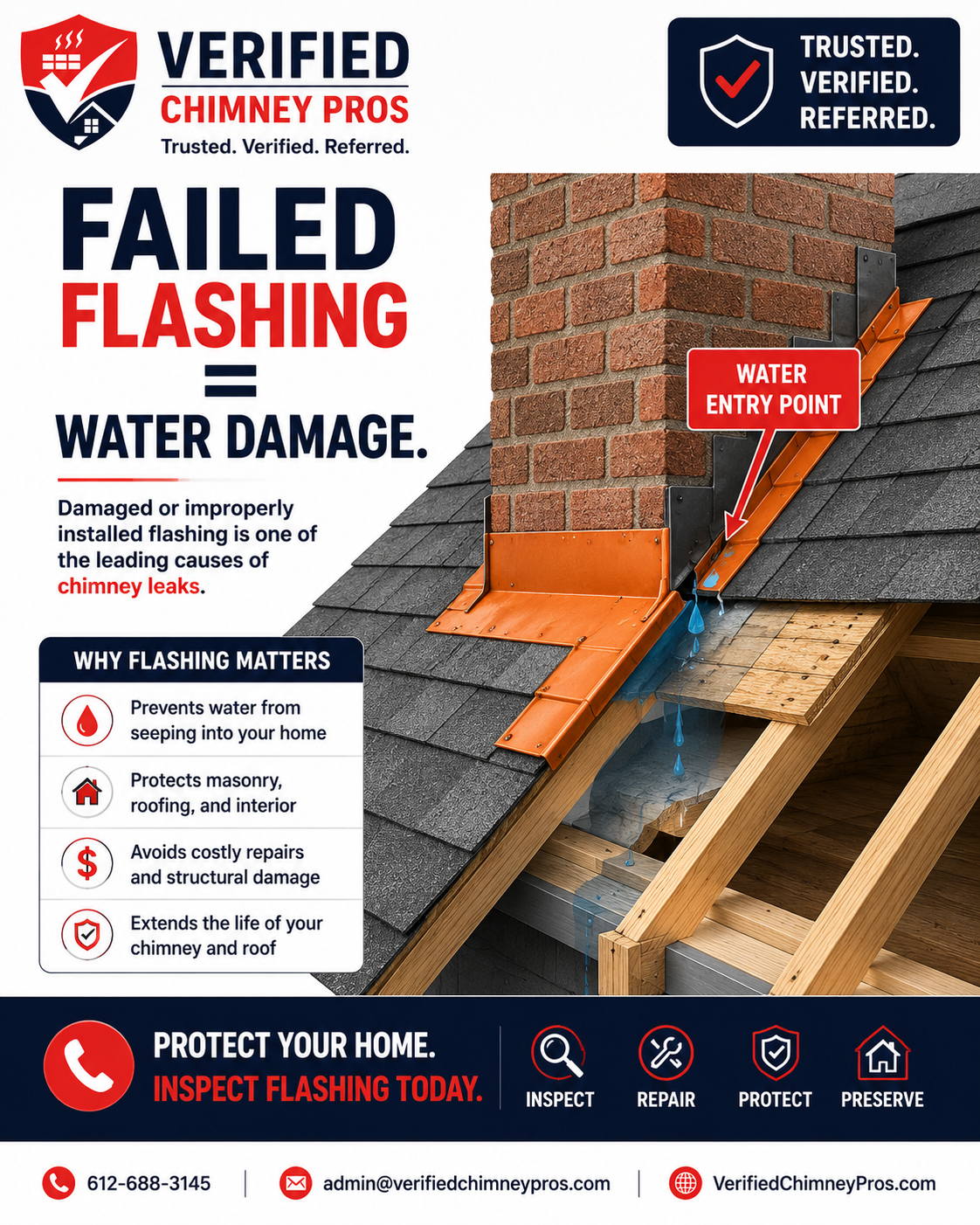
A chimney flashing leak is one of the most insidious threats to your home’s structural integrity. Unlike a burst pipe that floods your basement instantly, a chimney flashing leak works slowly and silently—destroying wood framing, rotting roof decks, breeding toxic mold, and causing thousands of dollars in damage long before you notice the first visible water stain.
Most homeowners have never heard of chimney flashing. They assume their roof and chimney are two separate systems. In reality, the junction where your chimney penetrates your roof is the most vulnerable point in your entire roofing system—and chimney flashing is the only thing preventing catastrophic water infiltration.
According to the National Roofing Contractors Association (NRCA), improper or deteriorated chimney flashing is one of the top three causes of residential roof leaks. When flashing fails, every rainstorm sends water cascading into your attic, soaking insulation, rotting rafters, and creating the perfect breeding ground for dangerous black mold.
This comprehensive guide reveals exactly what a chimney flashing leak looks like, the 7 dangerous warning signs homeowners must never ignore, and why hiring a verified chimney professional to inspect flashing annually is the only way to prevent expensive emergency repairs.
The Hidden Costs and Dangers of a Broken Seal
Chimney flashing is the metal barrier—typically aluminum, copper, or galvanized steel—that seals the junction where your chimney meets your roof. This critical component prevents rainwater, melting snow, and ice from penetrating the vulnerable gap between two dissimilar materials: masonry and roofing shingles.
When properly installed, chimney flashing consists of two interlocking layers: base flashing (attached to the roof) and counter flashing (embedded in the chimney mortar). Together, they create a waterproof seal that sheds water away from the chimney and down the roof.
But here’s the problem: chimney flashing is constantly exposed to brutal conditions. Temperature extremes cause metal to expand and contract. Freeze-thaw cycles crack mortar joints. UV radiation degrades sealants. Wind-driven rain exploits microscopic gaps. Over time, even professionally installed flashing deteriorates—and when it does, a chimney flashing leak begins.
The worst part? You won’t know it’s happening until severe damage has already occurred.
The Hidden Cost of Ignoring Flashing Failures
A chimney flashing leak doesn’t announce itself with dramatic flooding. Instead, it seeps slowly—a few drops at a time—into hidden spaces you never see: inside walls, beneath roofing underlayment, and into attic insulation.
This invisible moisture creates a cascade of destruction:
Structural Damage: Water-soaked wood loses 50% of its structural integrity within weeks. Roof rafters, ceiling joists, and wall studs begin rotting from the inside out. According to HomeAdvisor, repairing water-damaged roof framing averages $2,500-7,000—far more than preventive flashing maintenance.
Toxic Mold Growth: Damp, dark attics provide ideal conditions for black mold (Stachybotrys chartarum). The Environmental Protection Agency (EPA) warns that prolonged mold exposure causes respiratory problems, allergic reactions, and chronic health issues. Professional mold remediation costs $1,500-5,000 or more.
Insulation Destruction: Wet insulation loses R-value permanently. Your heating and cooling costs skyrocket as soaked insulation fails to regulate temperature. Replacing ruined attic insulation runs $1,000-3,000.
Interior Damage: Eventually, the chimney flashing leak becomes visible: ceiling stains, peeling paint, warped drywall, and ruined floors. Interior water damage repairs easily exceed $5,000-15,000.
All of this is 100% preventable with annual flashing inspections costing $150-300.
7 Dangerous Signs of a Chimney Flashing Leak
Catching a chimney flashing leak early saves thousands. Watch for these seven critical warning signs:
Sign 1: Mysterious Water Stains on Ceiling or Walls Near the Chimney
The most obvious sign of a chimney flashing leak is brownish water staining on your ceiling or walls adjacent to the chimney. These stains often appear circular or irregular and darken after rain.
Here’s why this matters: by the time water stains become visible on interior surfaces, significant hidden damage has already occurred. Water had to soak through roofing materials, saturate insulation, penetrate vapor barriers, and finally bleed through drywall or plaster before you saw anything.
If you notice water stains near your chimney, assume your chimney flashing leak has been active for weeks or months—and schedule an emergency inspection immediately before structural damage worsens.
Sign 2: Peeling Paint or Bubbling Wallpaper Around the Fireplace
A chimney flashing leak often manifests as peeling paint or bubbling wallpaper on walls surrounding your fireplace. Moisture infiltrating through failed flashing travels down inside the chimney chase or wall cavity, causing paint adhesion failure and wallpaper delamination.
Homeowners often mistake this for simple humidity or poor ventilation. In reality, it’s a direct indicator that water is actively entering your home through compromised flashing—and the problem is getting worse with every rainstorm.
Don’t repaint over these symptoms. Fix the chimney flashing leak first, or you’ll be repainting indefinitely while hidden water damage continues destroying your home.
Sign 3: Musty Odor or Visible Mold Growth in the Attic
If your attic smells musty or you see black, green, or white fuzzy growth on wood surfaces near your chimney, you have active moisture infiltration—likely from a chimney flashing leak.
Mold requires three things to thrive: moisture, organic material (wood), and darkness. Your attic provides the perfect environment. A slow chimney flashing leak delivers constant moisture, and mold colonies explode within days.
According to the Centers for Disease Control (CDC), mold exposure causes coughing, wheezing, skin irritation, and serious respiratory infections in vulnerable individuals. Never ignore mold—it signals both a chimney flashing leak and a serious health hazard.
Sign 4: Rusted or Corroded Metal Flashing Visible From the Roof
If you can safely access your roof (or view it with binoculars), inspect the metal flashing around your chimney base. Rust, corrosion, holes, or bent/separated flashing pieces indicate failure.
Galvanized steel flashing typically lasts 15-20 years before rust compromises integrity. Aluminum lasts longer but can corrode from acidic rainwater. Copper is most durable but expensive.
Once rust penetrates through the metal, a chimney flashing leak is inevitable. Rust holes start microscopically small but expand rapidly as moisture accelerates corrosion. What begins as a pinhole becomes a gaping breach within one season.
Sign 5: Missing Mortar or Cracked Caulk at the Chimney-Roof Junction
Counter flashing—the upper flashing layer—is embedded into mortar joints between chimney bricks. Over time, mortar deteriorates from freeze-thaw cycles, and the flashing pulls loose.
Similarly, some installations use caulk or sealant to seal flashing edges. UV exposure degrades these sealants, causing cracks and gaps. Once separation occurs, water bypasses the flashing entirely, creating a catastrophic chimney flashing leak.
Homeowners often attempt DIY repairs with hardware store caulk. This rarely works because proper flashing repair requires removing old sealant, cleaning surfaces, and applying professional-grade elastomeric compounds compatible with metal and masonry.
Sign 6: Dripping Sounds Inside Walls During or After Rainstorms
If you hear dripping or trickling sounds inside walls near your chimney during rain, water is actively flowing through your home’s interior structure—a clear sign of a severe chimney flashing leak.
This is not condensation. This is rainwater entering through failed flashing, running down inside the chimney chase or wall cavity, and dripping onto hidden surfaces below. The longer this continues, the more extensive (and expensive) the structural repairs become.
Emergency professional intervention is required immediately to prevent catastrophic damage.
Sign 7: Damp Insulation or Wet Wood in the Attic Near the Chimney
During your annual attic inspection, check insulation and wood framing immediately adjacent to your chimney. If insulation feels damp or wood surfaces appear dark, swollen, or soft, you have a chimney flashing leak.
Wet wood loses structural strength rapidly. Carpenter ants and termites are attracted to moisture-damaged wood. Wet insulation becomes permanently compressed and ineffective, losing all thermal resistance.
Catching moisture at this stage—before interior ceilings show staining—allows for less expensive repairs. Ignore it, and you’re facing complete roof deck replacement, rafter sistering, and insulation removal—easily $10,000+ in damage.
Learn more about preventing water damage in our guide on annual chimney inspection.
The Verified Chimney Pros Solution: Professional Flashing Inspection and Repair
Repairing a chimney flashing leak is not a DIY weekend project. Proper flashing work requires:
- Working safely on steep roofs
- Understanding proper flashing installation techniques per NRCA standards
- Using compatible materials for your specific roof and chimney type
- Ensuring watertight integration with existing roofing systems
Verified Chimney Pros connects you exclusively with certified professionals who specialize in chimney flashing inspection and repair. Every verified pro carries:
✅ Active CSIA or NCSG certification proving expertise
✅ Current general liability insurance protecting your property
✅ Background checks ensuring trustworthiness
✅ Verified customer reviews demonstrating quality work
According to the Chimney Safety Institute of America (CSIA), annual chimney inspections should always include detailed flashing examination. Professionals use moisture meters, infrared cameras, and visual inspection to identify chimney flashing leaks before they cause visible damage.
The Massive Savings of Preventing Chimney Flashing Leaks
Investing $150-300 annually in professional flashing inspection delivers enormous returns:
Avoid $5,000-15,000 Emergency Repairs: Catching small flashing issues early—re-sealing separated counter flashing or replacing corroded base flashing—costs hundreds. Waiting until ceilings collapse costs tens of thousands.
Prevent Toxic Mold Remediation: Professional mold removal averages $1,500-5,000. Preventing the chimney flashing leak that causes mold growth costs a fraction of that amount.
Protect Home Resale Value: Undisclosed water damage from a chimney flashing leak can torpedo home sales. Buyers’ inspections reveal moisture damage, killing deals or forcing massive price reductions.
Maintain Insurance Coverage: Insurance typically excludes damage from “lack of maintenance.” If your chimney flashing leak caused damage because you never had it inspected, your claim may be denied.
Annual inspections by verified professionals are the cheapest insurance policy you’ll ever buy.
FAQ
What exactly is a chimney flashing leak?
A chimney flashing leak occurs when the metal barrier sealing the junction between your chimney and roof fails, allowing rainwater and melting snow to infiltrate your home’s interior structure.
How much does chimney flashing repair cost?
Simple flashing re-sealing costs $200-500. Complete flashing replacement runs $800-2,000 depending on chimney size, roof pitch, and materials. This is far less than repairing water damage from ignoring a chimney flashing leak.
Can I fix a chimney flashing leak myself?
DIY flashing repair is strongly discouraged. Improper installation makes leaks worse, voids roof warranties, and creates life-threatening fall hazards. Always hire certified professionals for chimney flashing leak repairs.
How long does chimney flashing last?
Galvanized steel flashing lasts 15-20 years. Aluminum lasts 20-30 years. Copper can last 50+ years. However, even new flashing requires annual inspections because sealants degrade faster than metal.
What causes chimney flashing to fail?
Temperature cycling, UV radiation, freeze-thaw damage, improper installation, low-quality materials, and normal weathering all contribute to chimney flashing leak development over time.
Will homeowner’s insurance cover chimney flashing leak damage?
Possibly—if the damage resulted from a sudden, covered peril (like storm damage). Insurance typically excludes damage from gradual deterioration or lack of maintenance. Always document annual inspections.
How can I tell if I have a chimney flashing leak?
Look for water stains near the chimney, musty odors, mold growth, peeling paint, rusted flashing, missing mortar at chimney-roof junction, dripping sounds during rain, or damp attic insulation.
When should I have chimney flashing inspected?
The NFPA 211 standard recommends annual chimney system inspections, including flashing. Schedule inspections in late summer before fall rains begin.
Can chimney flashing leak even if my roof is new?
Yes. Flashing is a separate system from roofing shingles. Even brand-new roofs can have improperly installed flashing, creating immediate chimney flashing leak potential.
What’s the difference between step flashing and counter flashing?
Step flashing (base flashing) attaches to the roof and runs up the chimney sides. Counter flashing embeds into chimney mortar and overlaps step flashing, creating a two-layer waterproof seal.
Does chimney flashing leak worse in winter?
Yes. Ice dams, freeze-thaw cycles, and snow accumulation accelerate chimney flashing leak damage. Winter moisture infiltration is particularly destructive because it remains trapped in wall cavities.
How do professionals inspect for chimney flashing leaks?
Certified chimney professionals use visual inspection, moisture meters, infrared thermal imaging, and sometimes dye testing to identify active or potential chimney flashing leak sources.
Can I prevent chimney flashing leaks?
Annual professional inspections, prompt minor repairs, proper attic ventilation, and ensuring downspouts direct water away from the foundation all help prevent chimney flashing leak development.
What should I do if I suspect a chimney flashing leak?
Contact a verified chimney professional immediately for emergency inspection. Document damage with photos for insurance. Avoid using your fireplace until repairs are complete.
Why should I hire a verified pro for flashing repair?
Verified professionals carry current insurance, hold active certifications, pass background checks, and have verified customer reviews—ensuring quality work that protects your home and your investment.
Inspect Your Flashing Before It’s Too Late
A chimney flashing leak won’t announce itself with sirens and flashing lights. It works silently, invisibly, and relentlessly—destroying your home’s structure one rainstorm at a time until thousands of dollars in damage force you to notice.
You can’t afford to wait for water stains, mold growth, or ceiling collapse. By the time these symptoms appear, you’re already facing emergency repairs costing 10-20 times more than preventive maintenance would have cost.
The solution is simple: annual professional chimney inspections that include detailed flashing examination. A certified chimney professional will identify deteriorating sealant, corroded metal, loose counter flashing, or separation before any water enters your home.
Don’t gamble with your home’s structural integrity. Don’t risk toxic mold exposure. Don’t wait for the next rainstorm to reveal a catastrophic chimney flashing leak.
Contact a verified chimney professional today. Schedule your inspection. Protect your home.
Protect Your Home From Chimney Flashing Leaks Today
Don’t wait for visible water damage. Find a verified professional to inspect your chimney flashing before the next storm.
📞 612-688-3145 | 📧 admin@verifiedchimneypros.com