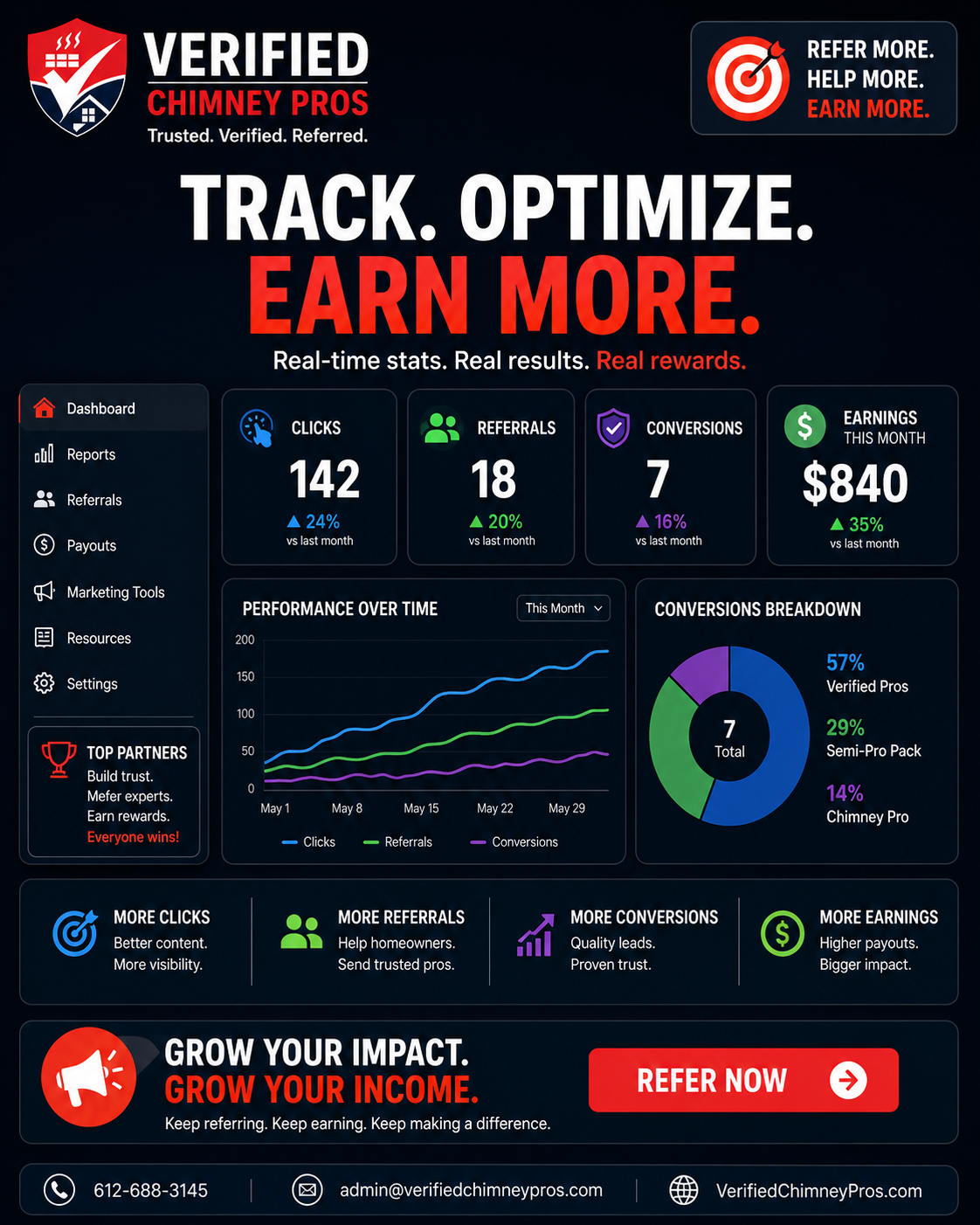
Affiliate Dashboard Performance: 7 Powerful Metrics Every Affiliate Must Track to Maximize Earnings
Your affiliate dashboard performance reveals exactly what’s working—and what’s wasting your time. But most affiliates never log in after their first week. They promote blindly, hope for commissions, and wonder why earnings stay flat month after month.
Top-earning affiliates operate differently. They track affiliate dashboard performance weekly, analyze which content drives clicks, identify which channels convert best, and ruthlessly optimize based on data. They don’t guess. They don’t hope. They know—because their dashboard tells them.
According to Ahrefs, affiliates who track performance metrics and adjust strategies monthly earn 40-60% more annually than those promoting randomly without data analysis. The difference isn’t talent or luck. It’s information—and how you use it.
This guide reveals 7 powerful affiliate dashboard performance metrics that determine your earnings—and exactly how to optimize each one. You’ll learn which numbers matter most, how to interpret trends, and which changes generate the biggest commission increases.
Whether you’re promoting Verified Chimney Pros or any other affiliate program, these metrics apply universally. Master them—and your earnings will reflect that mastery.
Why Most Affiliates Never Check Their Dashboard (And Stay Broke)
Here’s the uncomfortable truth: most affiliates promote blindly, earn sporadically, and never understand why results fluctuate month to month.
They create content randomly. They share links hopefully. They check their balance occasionally—then feel disappointed when commissions don’t match their effort. But they never dig into their affiliate dashboard performance to understand why earnings are low.
The problem isn’t effort. It’s visibility. Without tracking affiliate dashboard performance, you’re flying blind:
You don’t know which content actually converts. That blog post you spent six hours writing? It might generate zero clicks. Meanwhile, a quick social media post could be your top earner—but you’d never know without checking.
You can’t identify your best traffic sources. Maybe Facebook drives tons of clicks but zero conversions. Maybe email generates few clicks but converts at 15%. Without data, you waste time on channels that don’t pay.
You miss seasonal opportunities. Homeowners search for chimney services predictably from September through February. If you’re promoting equally year-round, you’re leaving money on the table during peak months.
Smart affiliates check their affiliate dashboard performance weekly. They know exactly what works. They optimize ruthlessly. And their earnings reflect that knowledge.
What Makes Affiliate Dashboard Performance Tracking So Critical
Affiliate dashboard performance tracking transforms guesswork into strategy. Instead of hoping content converts, you know which pieces drive commissions—and you create more of what works.
Here’s why tracking matters:
Data Reveals Hidden Patterns
You might assume your YouTube videos are your best performers. But your dashboard might show that a single evergreen blog post generates 60% of your annual commissions. Without tracking affiliate dashboard performance, you’d never discover that—and you’d keep investing time in the wrong channel.
Optimization Compounds Over Time
Small improvements multiply. Increasing your conversion rate from 2% to 3% might seem minor—but across 1,000 monthly clicks, that’s 10 extra referrals. At $50 commission each, that’s $500 more per month—$6,000 annually—from one metric improvement.
Tracking Prevents Wasted Effort
According to SEMrush, 80% of affiliate revenue typically comes from 20% of content. If you’re not tracking affiliate dashboard performance, you’re probably wasting 80% of your effort on content that generates minimal returns.
Learn about peak season affiliate marketing strategies to maximize seasonal performance.
7 Powerful Affiliate Dashboard Performance Metrics to Track
These are the exact metrics top-earning affiliates monitor religiously—and how to optimize each one.
Metric 1: Click-Through Rate (CTR) by Content Type
What it measures: Percentage of people who see your affiliate link and actually click it.
Why it matters: High impressions with low CTR means your messaging isn’t compelling. You’re reaching audiences but failing to convert interest into action.
How to track it: Your affiliate dashboard performance section should show impressions vs. clicks for each piece of content. Calculate CTR: (Clicks ÷ Impressions) × 100.
Optimization strategies:
✅ Test different call-to-action phrasing. Instead of “Learn More,” try “Find a Verified Chimney Pro Near You” or “Schedule Your Free Inspection Today.”
✅ Place links strategically within content. Links buried at the bottom perform worse than those placed naturally within educational content.
✅ Use benefit-focused anchor text. “Click here” converts poorly compared to “See verified chimney professionals in your area.”
According to HubSpot, personalized CTAs convert 202% better than generic ones. Apply that principle to your affiliate links.
Metric 2: Conversion Rate by Traffic Source
What it measures: Percentage of clicks that become paid referrals, broken down by where traffic originated.
Why it matters: Not all traffic sources are equal. Your affiliate dashboard performance might reveal that Facebook drives 70% of clicks but only 10% of conversions—while email drives 15% of clicks but 60% of conversions.
How to track it: Tag affiliate links with UTM parameters identifying source (Facebook, email, blog, YouTube). Your dashboard should show conversions by source.
Optimization strategies:
✅ Double down on high-converting sources. If email converts at 15% while social media converts at 2%, invest more in growing your email list.
✅ Improve underperforming channels or abandon them. Sometimes traffic sources that seem promising just don’t convert. Cut your losses and reallocate effort.
✅ Match messaging to audience intent. Social media traffic might be casual browsers. Email subscribers are warmer leads. Adjust your approach accordingly.
Metric 3: Average Commission Per Referral
What it measures: How much you earn, on average, for each successful referral.
Why it matters: Two affiliates might generate the same number of referrals but earn vastly different amounts if one promotes higher-value services or recurring commission structures.
How to track it: Divide total commissions by total successful referrals. Your affiliate dashboard performance should calculate this automatically.
Optimization strategies:
✅ Promote services with recurring commissions. Verified Chimney Pros offers recurring commissions on annual memberships—one referral generates income for years.
✅ Target homeowners likely to need premium services. Content about chimney liner installations or major repairs converts into higher-value jobs than basic sweeping.
✅ Emphasize annual agreements over one-time services. Homeowners who sign annual inspection agreements generate more commission value long-term.
Metric 4: Time to First Conversion by Channel
What it measures: How long it takes from a visitor’s first click to their first conversion, segmented by channel.
Why it matters: Some channels convert immediately (high-intent blog traffic). Others require nurturing (social media followers). Understanding timing helps you set realistic expectations and build appropriate follow-up sequences.
How to track it: Your affiliate dashboard performance analytics should show the customer journey timeline from first click to conversion.
Optimization strategies:
✅ Build email nurture sequences for slow-converting channels. If social media traffic takes 30 days to convert, create a 30-day email sequence educating prospects.
✅ Retarget website visitors who didn’t convert immediately. Use Facebook or Google retargeting ads to stay visible during their decision process.
✅ Create urgency for faster conversions. Seasonal promotions, limited-time offers, or peak-season messaging accelerates decision-making.
Metric 5: Repeat Customer Rate and Recurring Commission Value
What it measures: How many referred customers return for additional services—and how much recurring commission those relationships generate.
Why it matters: A customer who hires a chimney pro once might be worth $50. A customer who signs an annual agreement could generate $200+ in recurring commissions over five years. Your affiliate dashboard performance should track lifetime value, not just initial referrals.
How to track it: Monitor recurring commission payments in your dashboard. Track which original content pieces generated customers who became long-term recurring revenue sources.
Optimization strategies:
✅ Promote the value of annual inspections in your content. Educate homeowners about NFPA recommendations for yearly maintenance—customers who understand this become recurring revenue.
✅ Create content targeting homeowners likely to value ongoing relationships. Older homes, active fireplaces, and safety-conscious families make better recurring customers.
✅ Follow up with referred customers. Send seasonal reminders (via email if you captured it) about inspection timing—even if you don’t control the relationship directly.
Learn about how to build recurring income by referring trusted chimney professionals.
Metric 6: Content Performance by Season and Timing
What it measures: Which content performs best during which months—and how performance fluctuates seasonally.
Why it matters: Homeowner search behavior changes dramatically by season. Content promoting fall inspections performs best in August-September. Winter safety content peaks in November-January. Your affiliate dashboard performance should reveal these patterns clearly.
How to track it: Compare monthly click and conversion data year-over-year. Identify seasonal spikes and correlate them with specific content pieces.
Optimization strategies:
✅ Publish seasonal content 4-6 weeks before peak demand. Fall inspection content should go live in August, not October when homeowners are already booking.
✅ Update and republish top-performing seasonal content annually. That “Pre-Winter Chimney Safety Checklist” from 2024? Update it for 2026 and republish it in September.
✅ Create evergreen content banks during off-season. Use summer months (low conversion periods) to prepare fall/winter content that will perform when it matters.
Metric 7: Traffic Source ROI and Cost Per Acquisition
What it measures: How much you spend (in time or money) per traffic source vs. how much commission that source generates.
Why it matters: You might spend 20 hours creating YouTube videos that generate $200 in commissions—while spending 2 hours on an email campaign that generates $500. Without tracking affiliate dashboard performance ROI, you’d keep investing in the wrong activities.
How to track it: Calculate time or money invested per channel. Divide by commissions generated. Your goal: identify highest-ROI activities.
Optimization strategies:
✅ Kill low-ROI activities ruthlessly. If social media consumes 10 hours weekly but generates minimal commissions, cut it and reallocate that time to email or SEO.
✅ Scale high-ROI activities aggressively. If one blog post generates more commissions than all other content combined, write 10 more like it.
✅ Test paid advertising cautiously. Use affiliate dashboard performance data to calculate maximum acceptable cost per acquisition—then test Facebook or Google ads within those constraints.
According to WordStream, the average affiliate conversion rate across industries is 2-3%. If you’re beating that, you’re doing well. If not, your dashboard shows exactly where to improve.
How to Use Your Affiliate Dashboard Performance Data to Double Earnings
Tracking metrics is pointless without action. Here’s how to turn affiliate dashboard performance data into doubled earnings:
Step 1: Identify Your Top 20% Content
Review your dashboard. Which 2-3 pieces of content generate 80% of commissions? Those are your winners.
Step 2: Create 5-10 More Pieces Just Like Them
Don’t reinvent the wheel. If “How to Choose a Chimney Pro” converts at 8%, create similar content: “10 Questions to Ask Before Hiring,” “Warning Signs of Chimney Scams,” “Why Verification Matters.”
Step 3: Double Down on Your Best Traffic Source
If email converts at 15% while social media converts at 2%, stop posting daily on Facebook and start building your email list aggressively.
Step 4: Cut Everything Below Breakeven
Time spent on activities generating zero commissions is time stolen from activities that actually pay. Be ruthless.
Step 5: Test One New Channel Per Quarter
Once you’ve optimized existing channels, test something new: Pinterest, TikTok, podcast sponsorships. Use affiliate dashboard performance data to decide whether to scale or kill it.
Monthly Affiliate Dashboard Performance Review Checklist
Use this checklist to review your affiliate dashboard performance monthly:
| ✅ Metric | What to Check | Action to Take |
|---|---|---|
| Click-Through Rate | CTR by content piece | Rewrite low-CTR content with better CTAs |
| Conversion Rate | Conversions by traffic source | Reallocate effort to high-converting channels |
| Average Commission | Commission per referral | Promote higher-value services or recurring plans |
| Time to Conversion | Days from click to conversion | Build nurture sequences for slow-converting channels |
| Repeat Customer Rate | Recurring commission value | Create content emphasizing annual agreements |
| Seasonal Performance | Monthly trends year-over-year | Schedule seasonal content 4-6 weeks before peak |
| Traffic Source ROI | Time/cost vs. commissions earned | Kill low-ROI activities, scale high-ROI winners |
Spending 30 minutes monthly reviewing this checklist compounds into dramatically higher annual earnings.
Common Affiliate Dashboard Performance Mistakes That Kill Earnings
Avoid these dashboard killers:
Mistake 1: Checking Balance But Not Metrics
Knowing you earned $247 last month doesn’t help. Knowing which content and channels generated that $247 does.
Mistake 2: Ignoring Seasonal Patterns
If 70% of annual commissions happen September-February but you promote equally year-round, you’re wasting summer effort. Lean into seasonal patterns revealed by affiliate dashboard performance data.
Mistake 3: Promoting Everything Equally
Not all content is created equal. Your dashboard shows exactly which pieces win. Create more winners, kill the losers.
Mistake 4: Never Testing New Strategies
What worked last year might not work next year. Test new content types, channels, and messaging quarterly—then let your affiliate dashboard performance data decide what to keep.
Mistake 5: Focusing Only on Clicks, Not Conversions
10,000 clicks with zero conversions earns $0. Focus on metrics that actually pay: conversion rate, average commission, and recurring value.
FAQ
1. What is affiliate dashboard performance tracking?
Affiliate dashboard performance tracking is the process of monitoring key metrics—click-through rates, conversion rates, commissions, and traffic sources—to identify what’s working and optimize affiliate marketing strategies for maximum earnings.
2. How often should I check my affiliate dashboard performance?
Review your affiliate dashboard performance weekly for quick checks (new commissions, click trends) and monthly for deep analysis (seasonal patterns, content performance, channel ROI). Quarterly reviews identify long-term trends.
3. What metrics matter most for affiliate dashboard performance?
The 7 most critical metrics are: click-through rate by content, conversion rate by traffic source, average commission per referral, time to first conversion, repeat customer rate, seasonal performance patterns, and traffic source ROI.
4. How do I improve my affiliate dashboard performance conversion rate?
Focus on high-intent content targeting homeowners actively searching for chimney services. Promote during peak season (September-February). Use compelling CTAs. Match messaging to audience intent. Test and optimize based on dashboard data.
5. Why is my click-through rate high but conversions low?
High CTR with low conversions suggests you’re attracting the wrong audience or promoting at the wrong time. Review traffic sources—casual social media browsers convert poorly compared to Google searchers with specific intent.
6. What’s a good conversion rate for affiliate dashboard performance?
Industry average is 2-3%. Top affiliates achieve 5-10% by targeting high-intent traffic, optimizing seasonal timing, and creating content that pre-qualifies visitors before they click affiliate links.
7. How do I track which content drives the most affiliate commissions?
Use UTM parameters to tag each affiliate link with content-specific identifiers. Your affiliate dashboard performance section should show conversions by tagged source, revealing which blog posts, emails, or social posts generate the most earnings.
8. Should I focus on traffic volume or conversion quality?
Conversion quality beats traffic volume every time. 100 high-intent clicks converting at 10% earns more than 10,000 low-intent clicks converting at 0.5%. Your affiliate dashboard performance data shows which sources deliver quality.
9. How do recurring commissions affect affiliate dashboard performance?
Recurring commissions dramatically increase lifetime customer value. A single referral generating $30 upfront plus $15/month recurring earns $210 over 12 months vs. $30 one-time. Track recurring revenue separately in your dashboard.
10. What seasonal patterns should I look for in affiliate dashboard performance?
For chimney services, expect 60-70% of annual commissions September-February, 20-25% in spring (March-April), and 10-15% summer (May-August). Use this pattern to schedule heavy promotional effort during peak months.
11. How do I identify my best traffic sources using affiliate dashboard performance?
Compare conversion rates by source. Tag all affiliate links with UTM parameters identifying whether traffic came from Facebook, email, blog, YouTube, etc. Your dashboard reveals which sources convert best—focus effort there.
12. Can I improve affiliate dashboard performance without creating new content?
Yes. Optimize existing high-performing content: update seasonal posts, improve CTAs, add better images, rewrite headlines, republish on different channels. Often optimization beats creation.
13. What tools help track affiliate dashboard performance?
The Verified Chimney Pros affiliate dashboard provides built-in analytics. Supplement with Google Analytics for website traffic, UTM builders for link tagging, and spreadsheets for custom ROI calculations.
14. How long does it take to see affiliate dashboard performance improvements?
Small optimizations (better CTAs, improved headlines) show results within 2-4 weeks. Bigger changes (new content strategies, different channels) take 2-3 months to generate meaningful data for analysis.
15. Where can I get help optimizing my affiliate dashboard performance?
Contact Verified Chimney Pros affiliate support at 612-688-3145 or admin@verifiedchimneypros.com. The team provides personalized dashboard reviews, optimization recommendations, and strategic guidance.
Start Tracking Your Affiliate Dashboard Performance Today
Your affiliate dashboard performance holds every answer you need to double your earnings. Which content converts. Which channels pay. Which seasons perform best. Which strategies work—and which waste your time.
But the data only helps if you actually look at it. Most affiliates check their balance occasionally, feel disappointed when it’s low, then keep doing the same things that generated those disappointing results.
Top earners operate differently. They log into their affiliate dashboard performance section weekly. They analyze trends monthly. They identify winners, kill losers, and optimize ruthlessly. And their earnings reflect that discipline.
The Verified Chimney Pros affiliate program provides everything you need to succeed: a comprehensive dashboard tracking all 7 critical metrics, real-time performance data, recurring commission structures that compound earnings, and support from a team that understands affiliate marketing.
Log in today. Review your affiliate dashboard performance. Identify your top-performing content. Double down on what works. Cut what doesn’t. And watch your commissions grow.
The data is there. The opportunity is real. The question is: will you use it?
Ready to Join the Verified Chimney Pros Affiliate Program?
Take the next step and start earning recurring commissions by promoting the most trusted chimney verification platform in the United States.
📞 612-688-3145 | 📧 admin@verifiedchimneypros.com